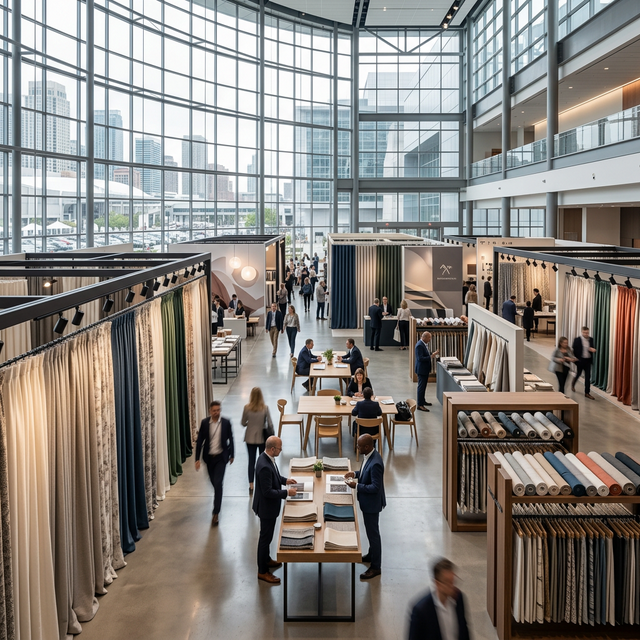
From March 11 to 13, 2026, Weaverine exhibited at Intertextile Shanghai Home Textiles - Spring Edition 2026 at Booth 5.2 C05. Across meetings with brands, sourcing teams, and processing partners, three themes came up repeatedly: cost volatility, interest in regenerated polyester, and the need for more transparent supplier evaluation.
INTERTEXTILE SHANGHAI SPRING 2026
Intertextile Shanghai remains one of the most important meeting points for home textile sourcing in Asia. For Weaverine, the fair is valuable not only for product display, but also for hearing how buyer priorities are changing across pricing, sustainability, and development timelines.
Theme 1: buyers are still watching cost volatility closely
Even before discussions moved into specific constructions, many conversations started with pricing discipline and planning visibility. Buyers want clearer guidance on how raw-material movement, processing choices, and shipment timing may affect their programs over the coming quarters.
That concern aligns with what we have also covered in our recent analysis of oil prices and textile manufacturing. In practice, sourcing teams are looking for suppliers who can explain the mechanics of pricing rather than simply offer a low headline number.
Theme 2: regenerated polyester remains a priority, but documentation matters
Interest in recycled polyester stayed strong throughout the fair, especially among buyers balancing product development with sustainability reporting requirements.
What stood out was that buyers were not only asking for recycled fabric. They were asking how recycled content is documented, how the supply chain is tracked, and whether the greige base is suitable for later dyeing, printing, or finishing.
That is why our discussions around regenerated polyester greige fabric and the broader sustainability page were some of the most detailed at the booth.
Theme 3: supplier evaluation is getting more disciplined
Many visitors were comparing mills, traders, and hybrid suppliers more carefully than before. Questions about legal entity matching, machine counts, widths, MOQ, and sampling flow came up repeatedly.
This is a healthy shift. In a more cautious sourcing environment, buyers want to understand not only what fabric a supplier offers, but also how clearly that supplier can explain capacity, documentation, and downstream processing.
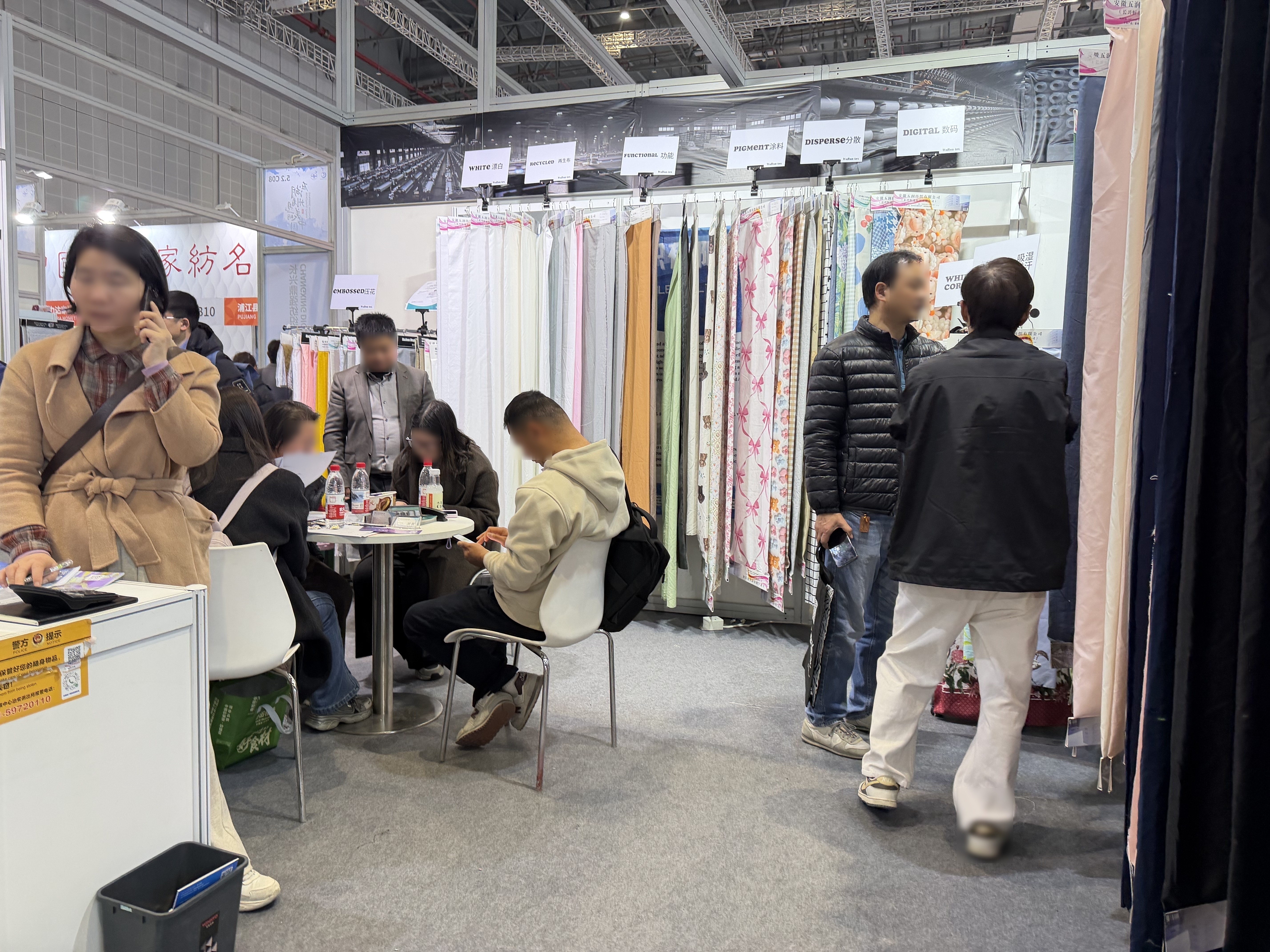
What buyers focused on at our booth
The conversations around our collections were concentrated in a few areas:
- Regenerated polyester for programs that need traceable recycled-content documentation
- Greige and foundational fabrics for buyers still deciding on dyeing, printing, or finishing routes
- Customization paths across dyed, printed, and embossed polyester home textile constructions
- Commercial planning around MOQ, sampling, and production timing
For buyers in the early evaluation stage, our China fabric sourcing guide is often the most useful follow-up resource because it translates those booth questions into a practical supplier-screening workflow.
Looking ahead
Intertextile Shanghai Spring 2026 reinforced a clear pattern: buyers still want scale and flexibility, but they are increasingly prioritizing clarity, documentation, and lower-risk sourcing decisions.
That shift is good for serious manufacturing conversations. It rewards suppliers who can explain product fit, certification logic, and commercial terms in practical terms rather than relying on trade-show noise.
For follow-up discussions, sample requests, or quotation review, you can contact our team or chat with Wren.